5 Costly Mistakes to Avoid on German and Austrian Toll Roads

James Mitchell
16 March 2026
5 Costly Mistakes to Avoid on German and Austrian Toll Roads
Introduction
Navigating the highways of Germany and Austria can be an exhilarating experience, offering stunning landscapes and efficient routes to your destination. However, many travelers find themselves facing hefty fines and unexpected expenses due to simple oversights with toll road regulations. What should be a smooth journey can quickly turn into a costly nightmare if you’re not properly prepared.
Unlike some European countries with traditional toll booths, Germany and Austria operate sophisticated electronic systems that can catch unprepared drivers off guard. The consequences of mistakes range from €120 to €300 in fines, not to mention the stress and time lost dealing with violations during your vacation.
This comprehensive guide will walk you through the five most expensive mistakes travelers make on German and Austrian toll roads, helping you avoid these costly pitfalls and enjoy a worry-free journey through Central Europe.
Mistake #1: Not Purchasing the Required Vignette in Austria
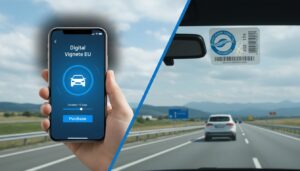
Austria’s highway system requires all vehicles under 3.5 tons to display a valid vignette (toll sticker) when using autobahns and expressways. This seemingly simple requirement is the source of the most common and expensive mistakes for international travelers.
The Cost of Getting It Wrong
Driving without a valid vignette in Austria results in an immediate fine of €120, plus the cost of purchasing the required vignette. If you attempt to use a damaged, improperly placed, or expired vignette, the penalty increases to €240.
Common Vignette Mistakes:
- Buying the wrong duration: Purchasing a 10-day vignette when you need longer coverage
- Improper placement: Placing the sticker incorrectly on the windshield
- Digital confusion: Not understanding how digital vignettes work
- Border assumptions: Thinking you can buy it “just in time” at the border
- Official ASFINAG website (Austria’s highway operator)
- Authorized gas stations in neighboring countries
- Automobile clubs like ÖAMTC or ARBÖ
- Some border crossings (limited availability)
- Trucks over 7.5 tons on all federal highways
- Vehicles between 3.5-7.5 tons on autobahns only
- Motorhomes and RVs exceeding weight limits
- Rental vehicle confusion: Not checking if your rental motorhome requires toll payment
- Weight miscalculation: Underestimating total vehicle weight including cargo
- Route planning errors: Using toll roads when weight-exempt alternatives exist
- Green stickers: Euro 4 and higher (most areas accept only green)
- Yellow stickers: Euro 3 (limited access)
- Red stickers: Euro 2 (very limited access)
- Berlin, Munich, Hamburg, Cologne
- Frankfurt, Stuttgart, Düsseldorf
- Over 50 cities total across Germany
- Online applications through authorized providers
- TÜV stations and authorized garages
- Some automobile clubs and service centers
- German embassies in some countries
- 30% of autobahns have permanent speed limits
- Temporary limits appear frequently due to construction or weather
- Austrian autobahns have consistent 130 km/h limits
- 16-20 km/h: €70
- 21-25 km/h: €115 + 1 point
- 26-30 km/h: €180 + 1 point
- Over 31 km/h: €260+ plus driving ban
- 20-30 km/h: €150
- 30-40 km/h: €300
- Over 40 km/h: €500+ plus license suspension
- Following too closely: €100-€400
- Improper lane usage: €80-€200
- Mobile phone use: €100-€200
- Original driver’s license and International Driving Permit
- Vehicle registration and insurance documents
- Toll receipts and vignette purchase confirmations
- Environmental sticker certificates
- Emergency contact information for rental companies
- Don’t ignore it: Unpaid fines can escalate significantly
- Understand the timeline: Response deadlines are strictly enforced
- Gather evidence: Photos, GPS data, and witness statements
- Consider professional help: Legal assistance for significant fines
- Pay promptly if guilty: Early payment often reduces penalties
- Language barriers: Not understanding violation notices
- Address changes: Fines sent to outdated addresses
- Rental car confusion: Unclear responsibility between renter and company
- Payment method errors: Using incorrect payment channels
- Use toll-free alternatives: Research scenic routes that avoid toll roads
- Time your travel: Some systems offer off-peak discounts
- Group travel benefits: Share costs when traveling with multiple vehicles
- Official apps: Download ASFINAG and Toll Collect apps for real-time information
- GPS settings: Configure navigation to show toll costs and alternatives
- Translation apps: Keep German/English translation tools handy
- Factor toll costs: Include vignettes and potential tolls in trip budgets
- Emergency fund: Set aside money for unexpected violations
- Insurance check: Verify if travel insurance covers traffic fines
Pro Tip: Purchase your Austrian vignette online at least 18 days before travel, or buy a physical sticker at gas stations before entering Austria. The digital vignette has an 18-day waiting period to prevent last-minute purchases after violations.
Where to Buy Vignettes Safely
Mistake #2: Misunderstanding Germany’s Truck Toll System
While passenger cars travel toll-free on German autobahns, many travelers get confused about vehicle classifications and end up facing unexpected charges when driving larger vehicles or motorhomes.
Vehicle Weight Thresholds
Germany’s toll system applies to:
The OBU (On-Board Unit) Requirement
Vehicles subject to German tolls must have a properly functioning On-Board Unit installed and activated. Driving without this device or with a malfunctioning unit results in fines of €190 to €380.
Common Classification Errors:
Important: Always verify your vehicle’s exact weight and classification before entering Germany. When in doubt, contact the rental company or check official documentation.
Mistake #3: Environmental Zone Violations in German Cities
While not directly related to highway tolls, environmental zones (Umweltzones) in German cities catch thousands of unprepared drivers annually, resulting in €80 fines and potential travel disruptions.
Understanding Environmental Stickers
German cities require vehicles to display colored environmental stickers indicating emission standards:
Cities with Environmental Zones
Major German cities with strict environmental zones include:
How to Obtain Environmental Stickers:
Planning Tip: Order your environmental sticker well before travel, as processing can take 2-3 weeks. Keep the sticker and documentation easily accessible during city driving.
Mistake #4: Ignoring Speed Camera and Traffic Violation Systems
Both Germany and Austria employ sophisticated automated enforcement systems that can result in substantial fines for speed violations and other traffic infractions on toll roads.
Speed Limit Realities
Contrary to popular belief, not all German autobahns are speed-limit-free:
Fine Structures for Speed Violations:
Germany (exceeding limits by):
Austria (exceeding limits by):
Additional Automated Violations:
Safety First: Modern GPS apps like Waze and Google Maps provide real-time speed limit information. However, always prioritize road signs over app data, as temporary changes may not be immediately updated.
Mistake #5: Poor Documentation and Dispute Handling
The final costly mistake involves inadequate preparation for potential violations and poor handling of dispute processes, which can escalate minor issues into major expenses.
Essential Documentation to Carry:
Violation Notice Response Strategy
If you receive a violation notice:
Common Documentation Mistakes:
Record Everything: Take photos of your vignette placement, toll receipts, and any unusual road conditions. These can be invaluable if disputes arise later.
Additional Money-Saving Tips
Route Planning Strategies
Technology Tools
Budget Planning
Conclusion
Navigating German and Austrian toll roads doesn’t have to result in expensive surprises. By understanding these five critical mistakes and implementing the preventive strategies outlined above, you can focus on enjoying your European adventure rather than worrying about unexpected fines.
Remember that preparation is key: purchase required vignettes in advance, understand vehicle classifications, obtain necessary environmental stickers, respect speed limits, and maintain proper documentation. The small investment in preparation time will save you hundreds of euros in potential fines and ensure a smooth, stress-free journey.
The highways of Germany and Austria offer some of Europe’s most efficient and scenic driving experiences. With proper preparation and awareness of common pitfalls, you can enjoy these world-class road networks while keeping your travel budget intact.
Call-to-Action
Don’t let toll road mistakes ruin your European adventure! Start planning your trip today by checking vehicle requirements, purchasing necessary vignettes, and downloading essential apps. Share this guide with fellow travelers to help them avoid these costly mistakes, and consider bookmarking our travel tips section for more money-saving advice on European road trips.
Ready to hit the road? Create your pre-travel checklist now and ensure every aspect of your German and Austrian highway journey is properly planned and budget-friendly.